
Meeting people where they are — in the field, in the clinic, and in the hard places of life.
Meeting physical needsBuilding relationshipsSharing JesusSeeing lives transformed
Heart for the Poor
Why is ministering to the poor such an important part of your ministry?
Suja and I believe this is God's heartbeat… His heart beats for the poor. And we see it all throughout His Word.
"The Lord said, 'I have indeed seen the misery of my people in Egypt. I have heard them crying out because of their slave drivers, and I am concerned about their suffering. So I have come down to rescue them from the hand of the Egyptians.'"Exodus 3:7
God sees their suffering.
He hears their cries.
He cares deeply about their pain.
And He's going to do something about it… He's going to rescue them.
Even throughout the rest of the Old Testament, God makes His heartbeat clear… it's for the naked, hungry, the least of these…
And if you really want to see God's heartbeat, look at Jesus. When He began His public ministry, He read these words from the prophet Isaiah about Himself:
"The Spirit of the Lord is on me, because he has anointed me to proclaim good news to the poor. He has sent me to proclaim freedom for the prisoners and recovery of sight for the blind, to set the oppressed free, to proclaim the year of the Lord's favor."
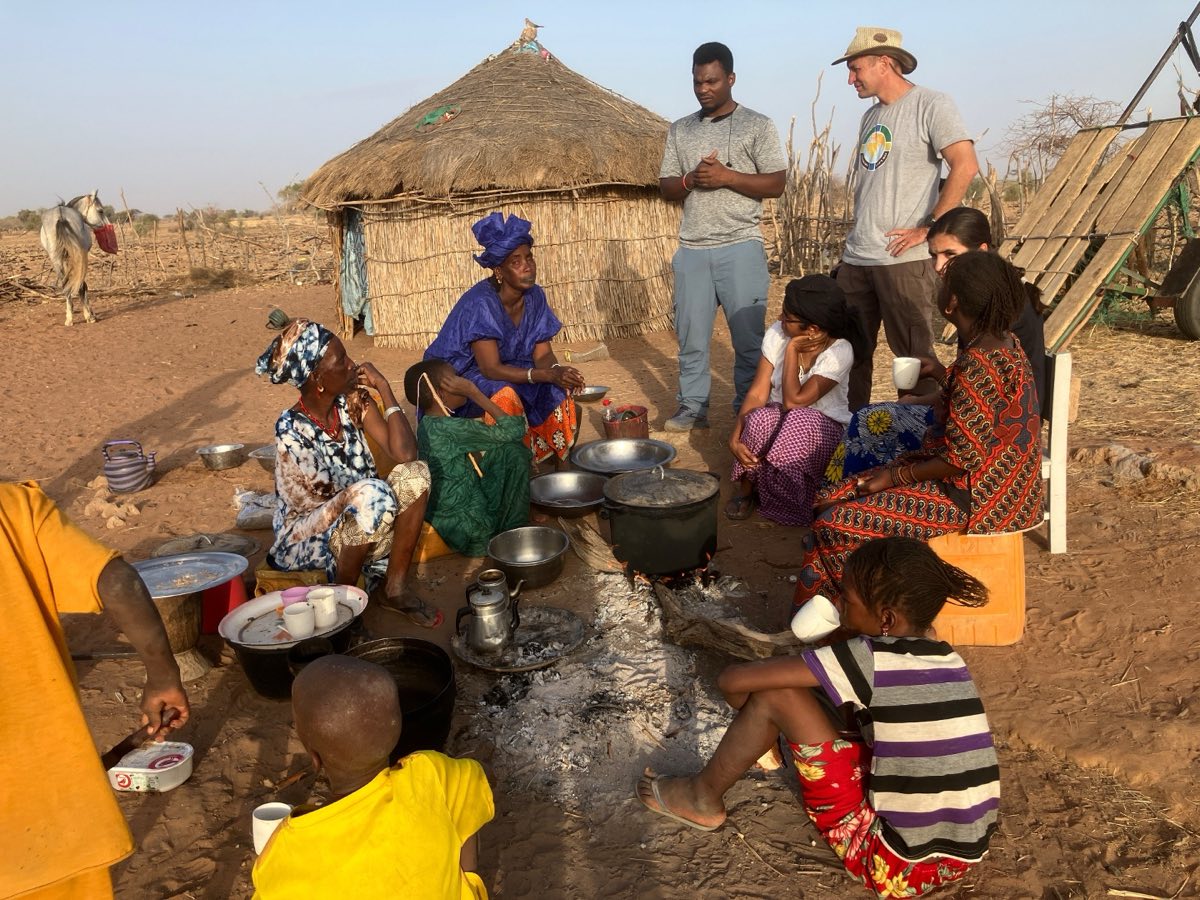
Where did Jesus focus His ministry?
Jesus came for those who were most in need.
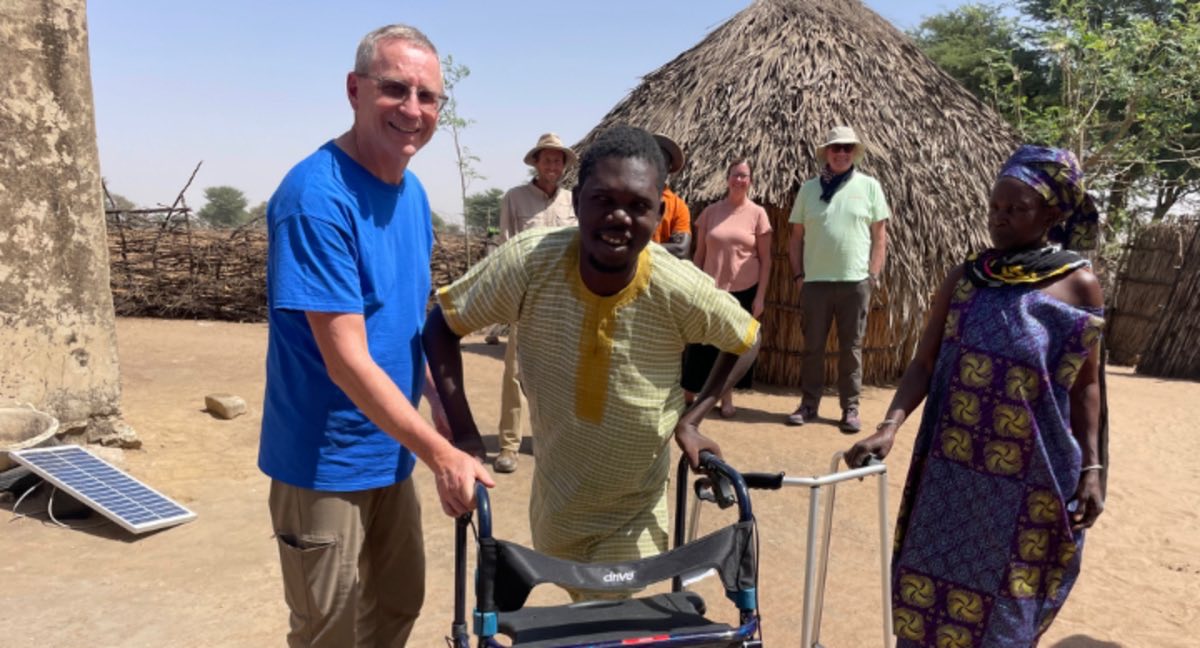
And if we are going to be imitators of Jesus, then our hearts need to beat for the poor as well.
We need to live open-handed lives.
Agriculture
How Did Farming Become a Ministry?
From Tom Brane, agricultural missionary
Sometimes I have to laugh when I think about my own journey into agricultural ministry. When I first went to Africa, I had all kinds of dreams about the things I was going to do and accomplish for Christ.
None of those dreams involved agriculture.
When I was a teenager growing up in Markle, Indiana, I worked on a pig farm about a mile down the road from our home. I enjoyed being outside, but the work on the farm was hard and the pay was small.
In fact, the first time I got paid, the farmer gave me two pounds of sausage to take home to my family. While my friends were spending their Saturdays relaxing, I was shoveling pig manure and hoeing weeds.
I remember thinking, “I will never be a farmer.”
For years, I ran from agriculture. But in 2015, a friend introduced me to Farming God's Way, and God began changing the way I looked at farming.
I realized that across Africa, millions of people depend on agriculture, yet many struggle to produce enough food to feed their families. Many farmers have little education and are often overlooked or undervalued by their communities.
But God sees them differently.
Farmers are created in the image of God and have tremendous value.
I began to see that farming could be more than teaching people how to grow better crops. It could be a way to build relationships, demonstrate God's love, teach biblical stewardship, and share the hope of Jesus.
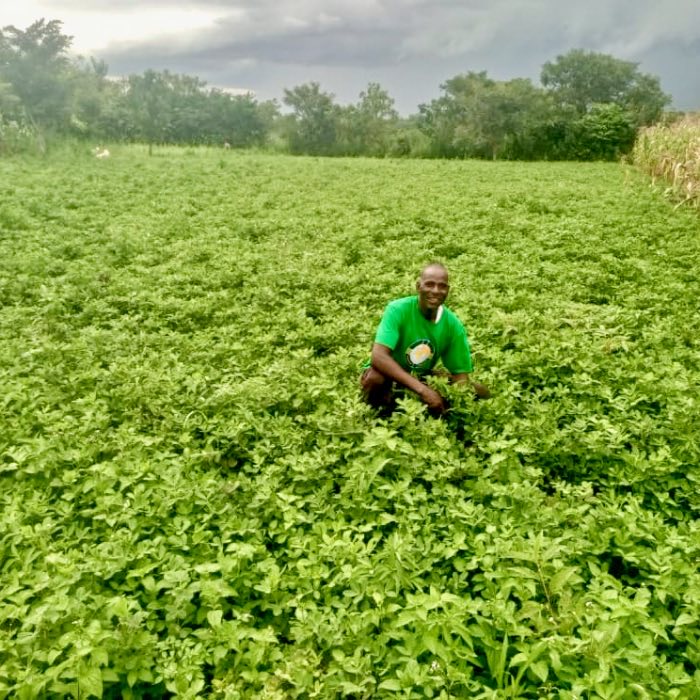
Today, through Farming God's Way and our work at the Beersheba farm, we walk alongside farmers to help them improve their harvests, care for the land God has entrusted to them, recognize their God-given value, and discover the hope found in Christ.
Agriculture opens the door for building relationships. Relationships open the door for the Gospel.
Watch: Farming God's Way in West Africa
What Does Farming God's Way Look Like?
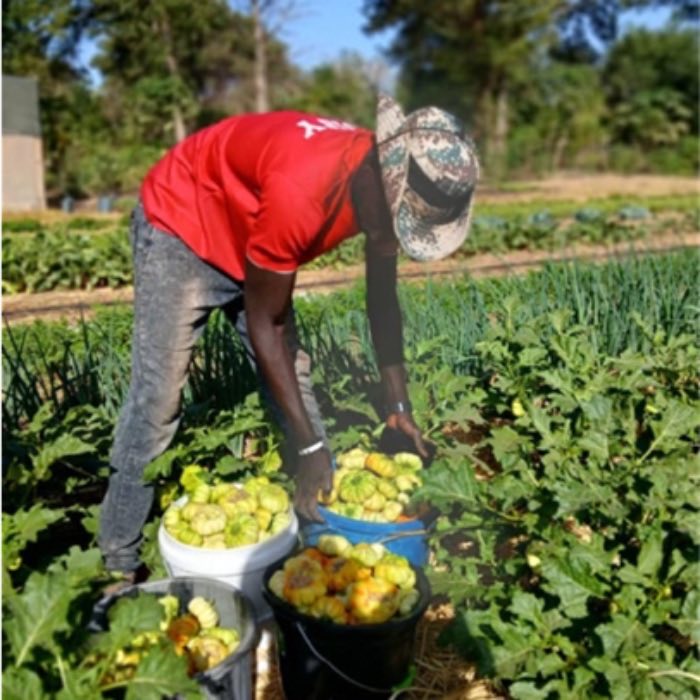
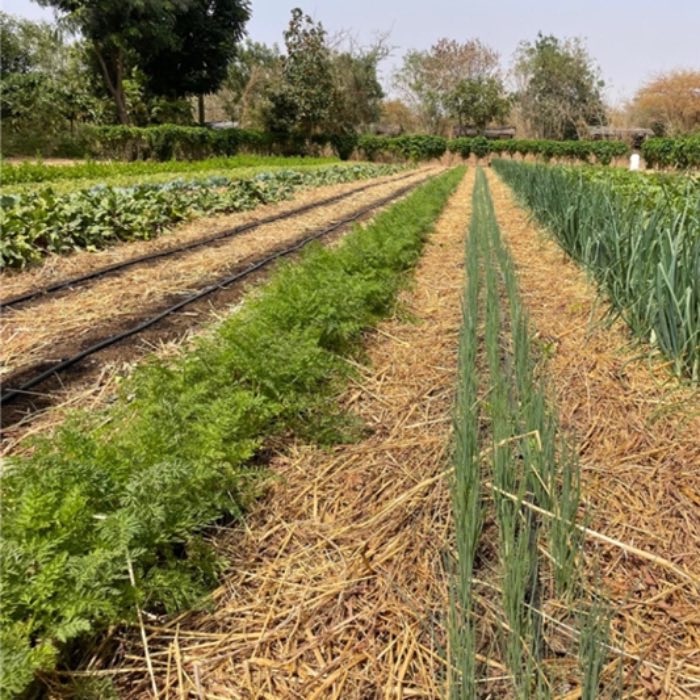
Farming God's Way combines biblical and management principles with practical, proven agricultural methods to equip the poor to come out from under the yoke of poverty. It starts with the understanding that God is the owner of the land, and we are stewards of what He has entrusted to us.
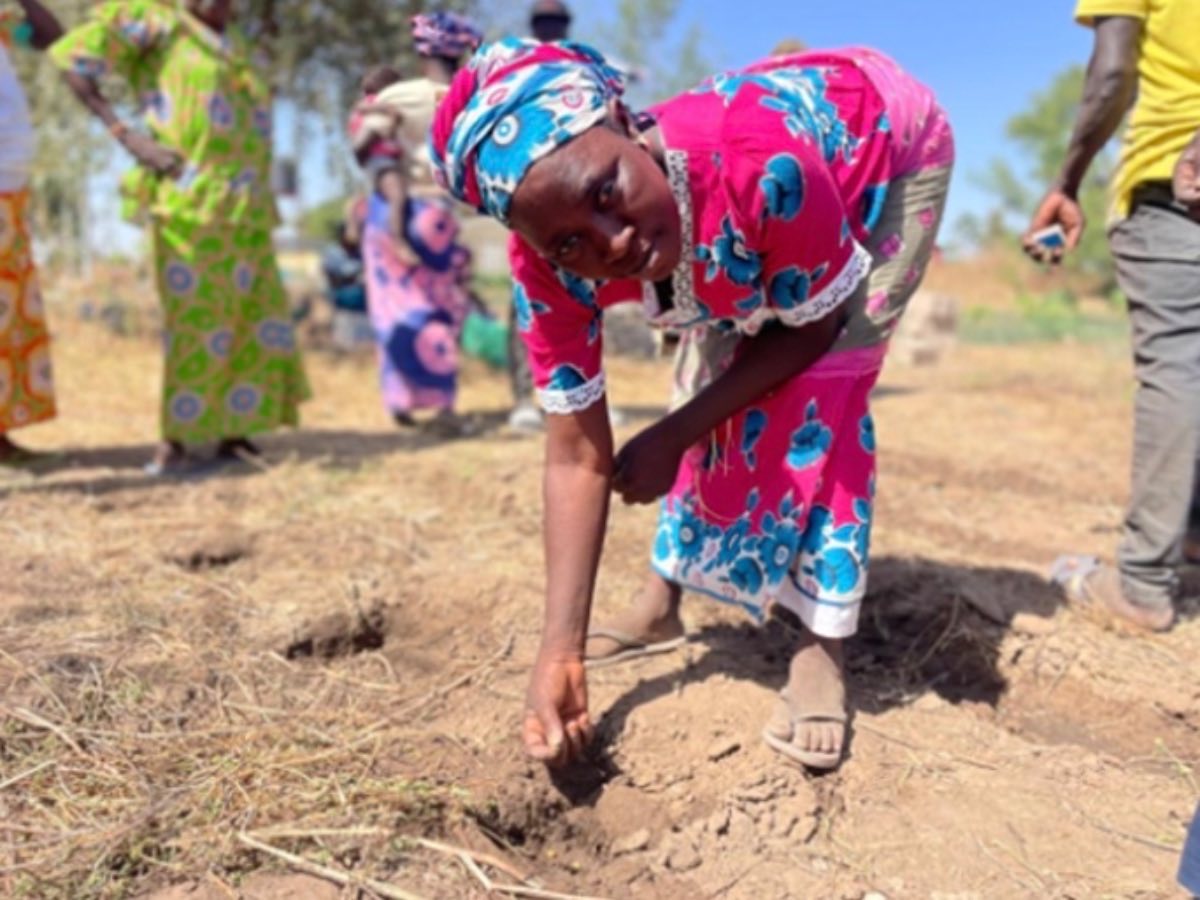
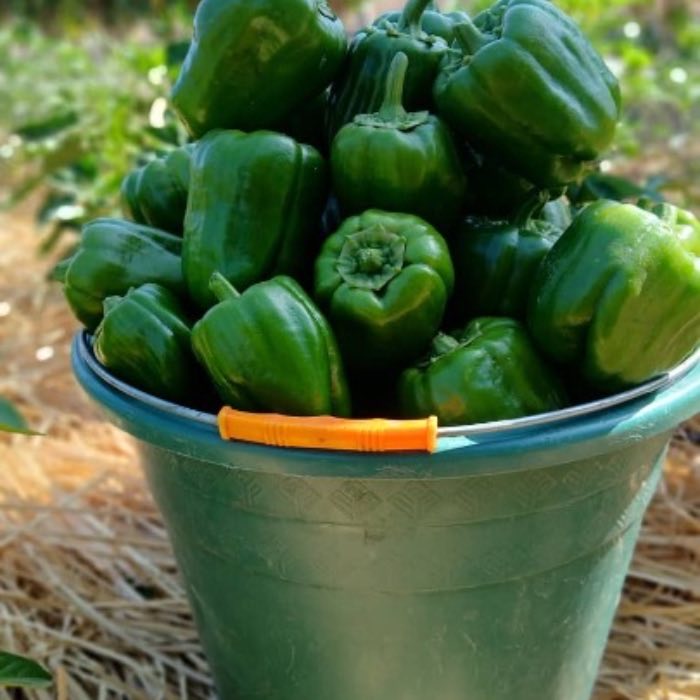
There is a practical side to it: we teach farmers how to lay out and prepare their fields, improve their soils and reduce erosion, conserve moisture, and increase their yields without having to depend on expensive fertilizers or equipment they can't afford.
We also teach that God is all-sufficient and has given us everything we need to be good farmers. We encourage farmers to look to Him and His ways rather than lean on their own understanding. We talk about the importance of doing things on time and to high standards, because these reflect who God is.
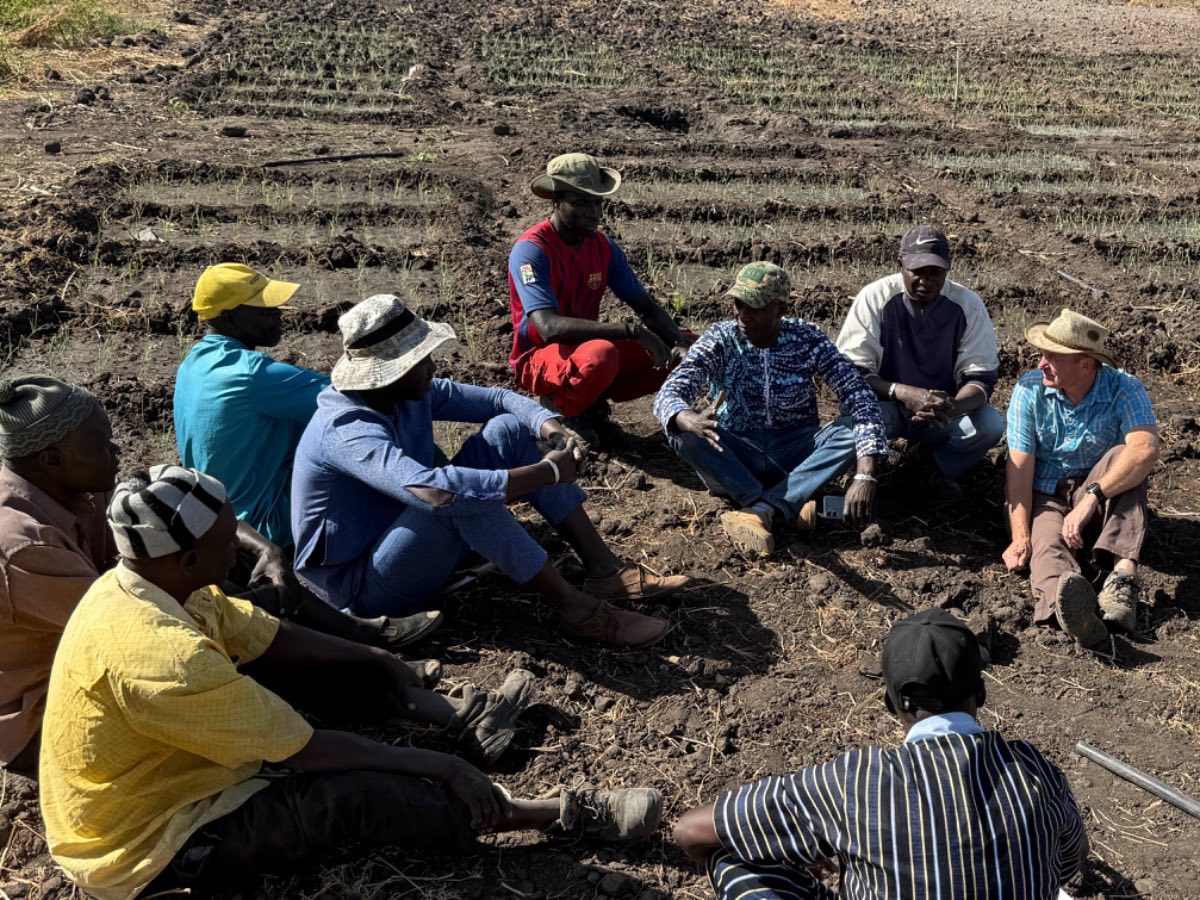
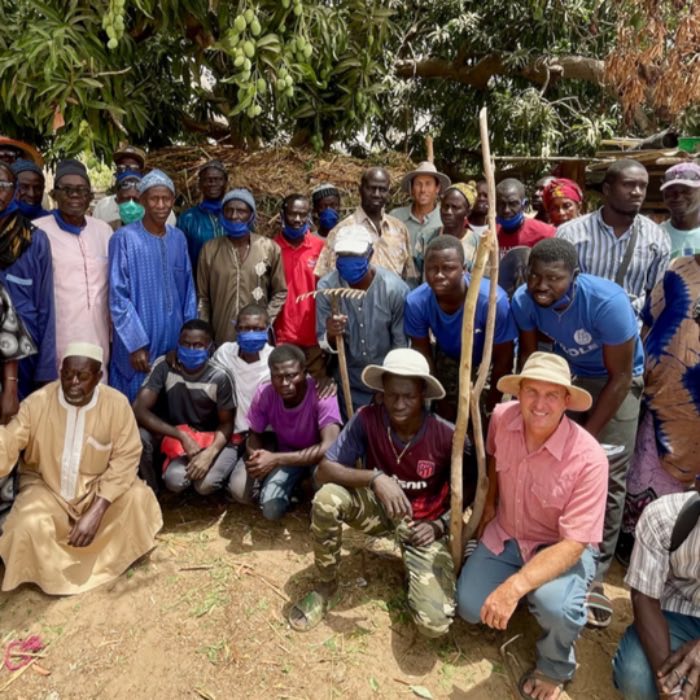
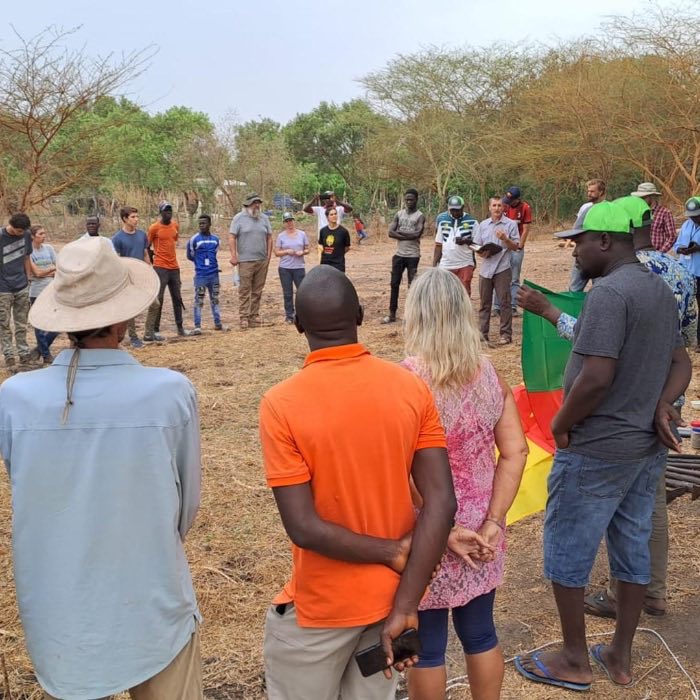
But we don't just teach these things and walk away. We walk alongside them. We work in the fields together, sweat together, face challenges and celebrate our victories together.
Multiplying Farming God's Way Across West Africa
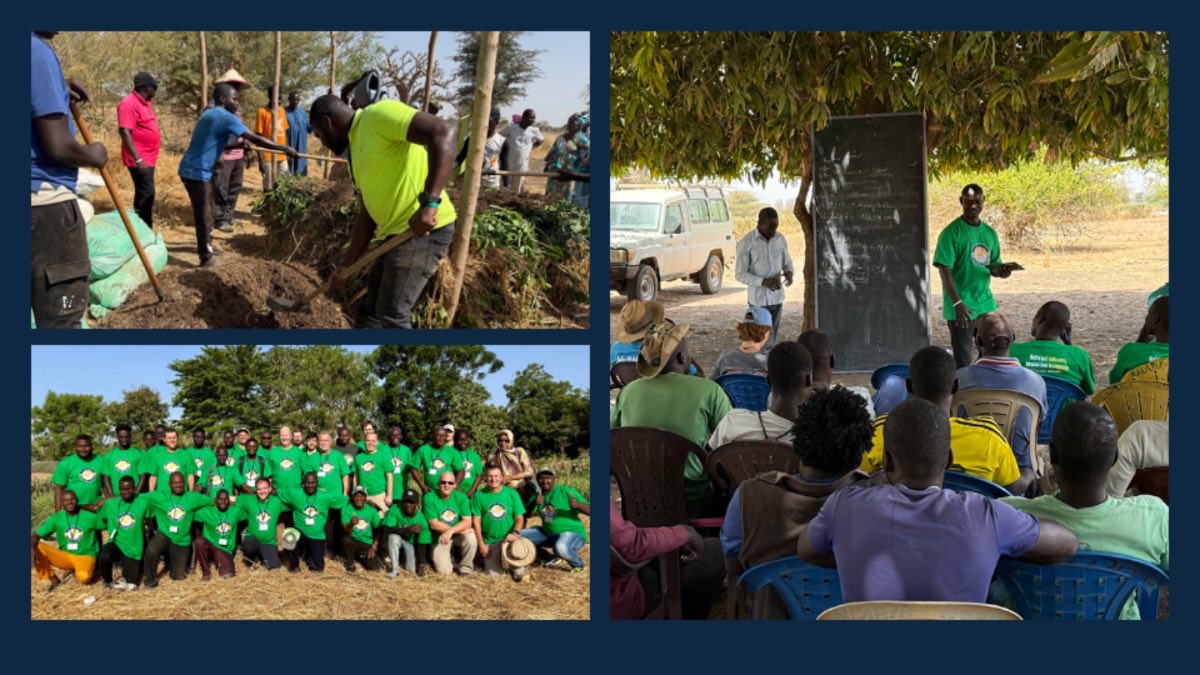
Since 2023, we've been hosting a West Africa Farming God's Way Regional Training in Senegal. To be honest, that week has become one of the highlights of my year.
We bring together both Muslim and Christian participants from across West Africa. During the training, they learn the principles of Farming God's Way and get hands-on experience putting those principles into practice. And something really beautiful happens during that week: a sense of community and oneness develops among these men.
So when these men return home, they have a network of brothers across West Africa to encourage them and pray with them as they face the challenges of putting what they've learned into practice.
During that week, we are also mentoring about 20 men who are on the journey to becoming Farming God's Way leaders in their own nations. In 2026, six of those men completed a rigorous accreditation process that took them a minimum of three years to complete. Now these six men can go back to their own nations, continue multiplying Farming God's Way, and equip the poor in those nations to come out of poverty.
This is our goal: to multiply ourselves through these future leaders so that we can multiply our impact as well throughout West Africa.
Honestly, watching God work through these relationships has become one of the greatest blessings of these trainings.
More Than Growing Food
So we're working with farmers not only to teach better agricultural practices that can help fight food insecurity, but more importantly, to help restore their sense of value and dignity as people created in the image of God.
But I want you to understand that agriculture is not the ultimate goal. Jesus is.
Jesus said in John 6:35, "I am the bread of life. Whoever comes to me will never be hungry, and whoever believes in me will never be thirsty."
That's why farming is such a great ministry opportunity.
We're not simply teaching people how to grow food. We're using farming to build relationships that open up opportunities to share Jesus, the Bread of Life, with our Muslim neighbors who are also farmers.
So, Farming God's Way gives us a practical way to come alongside farmers and help meet a real need in their lives. It also gives us opportunities to share the Gospel.
Medical
Medicine in Senegal: What Does It Look Like?
From Dr. Suja Brane, family medicine physician
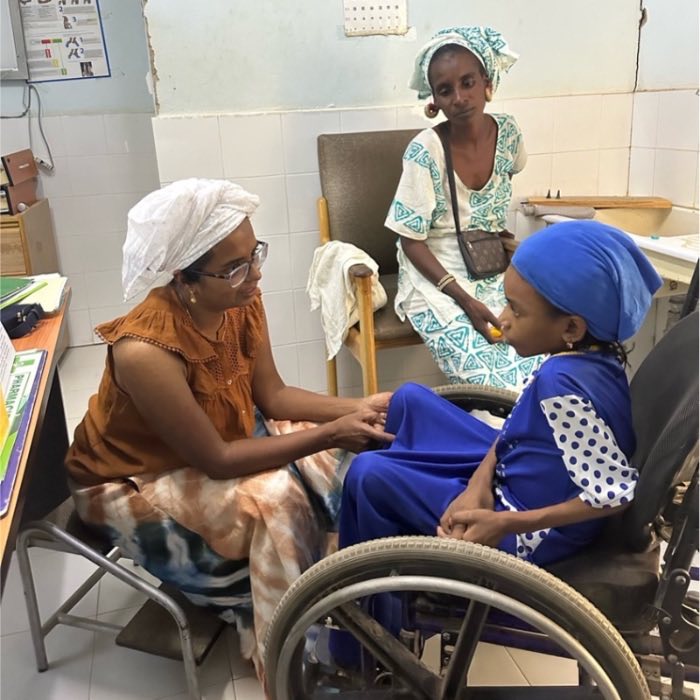
As a family medicine doctor, I have the privilege of serving at a small, rural clinic on the Beersheba Development Farm, where Tom serves.
Our clinic team includes three nurses, a nurse's aide, two chaplains, another missionary nurse, Mary, and me. Together, our mission is to provide medical care to surrounding villages while also offering the hope of Christ to each patient and their family.
Most of our patients live in remote areas with very limited access to healthcare, since many come by horse cart or on foot. Many families live in homes with dirt floors and without running water or electricity. Entire communities face incredibly high illiteracy rates—especially among adults over the age of 30. These are places where life is hard and access to basic medical care is often out of reach.
God has invited me to be an extension of His love and compassion to those who are suffering—in particular, people living with chronic, debilitating illnesses, many of whom are marginalized and often overlooked by the society around them.
When our clinic nurses encounter complex cases that go beyond their training or resources, they refer those patients to me.
And so my ministry involves a bit of everything—providing direct patient care, consulting with U.S.-based doctors for expert guidance on complex cases, coordinating with local specialists, and doing a fair amount of home visits to our patients.
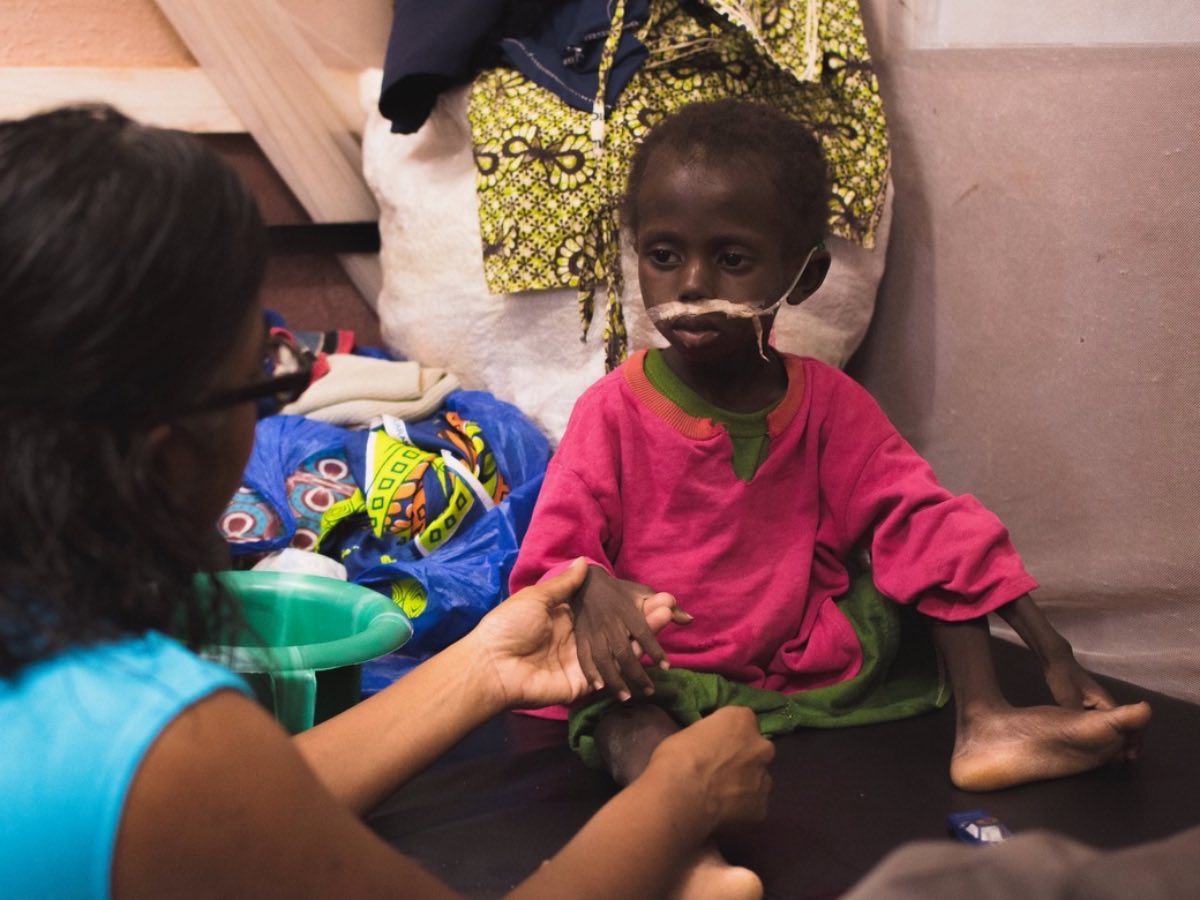
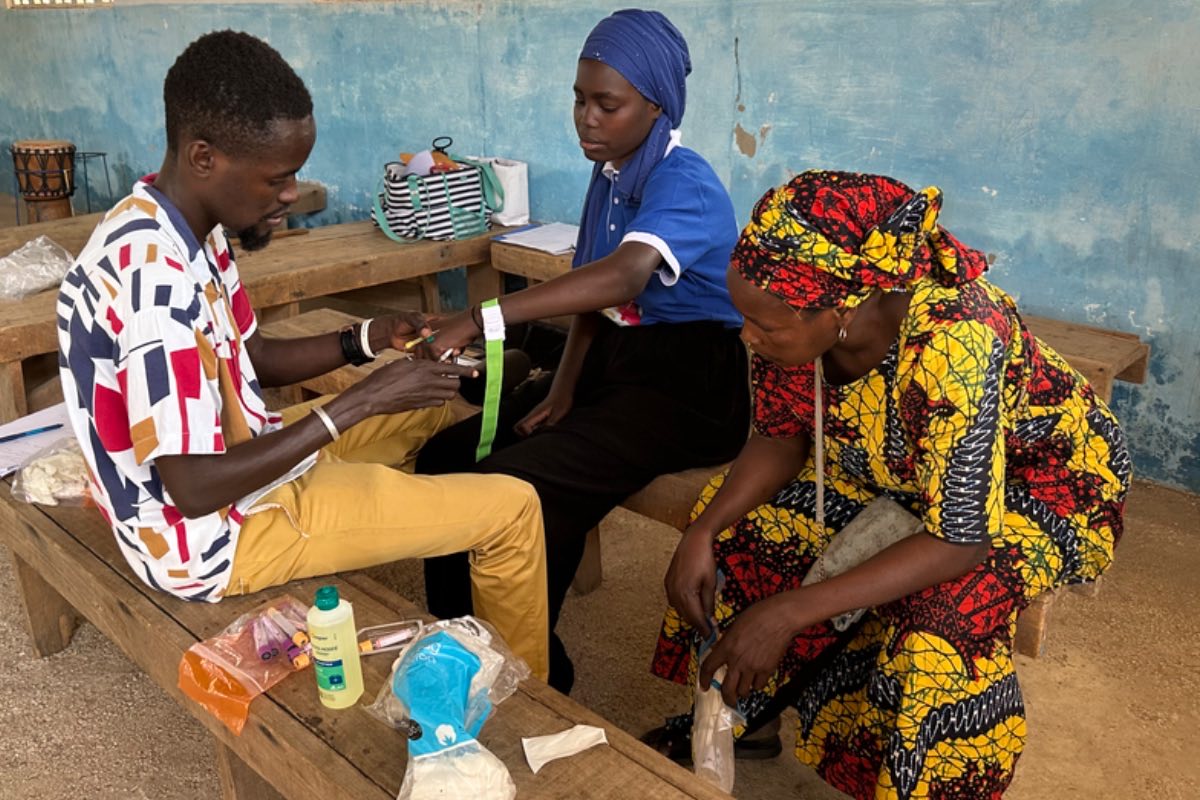
To be honest, it's often messy and very stressful. Many of the cases we face are far beyond our resources or capacity. I often feel in over my head, and yet... it's in those moments that God shows up.
The Heart of Medical Ministry
The heart of this medical ministry is so much more than simply providing medical care—it's showing up and being present. It's asking, "Why has God placed us in this patient's life? What is He doing, and how can we join Him?"
Over the years, I've come to realize that more than the diagnoses or treatments, it's simply being present that often makes the greatest impact—being present in the uncertainty, the fear, and the waiting that our patients and their families experience. That's where ministry truly happens.
And we ask ourselves: How can our small, intentional acts of love point to the greatness of Jesus? How might they lead someone to encounter the only One who brings lasting healing and eternal hope?
And these past two years have been some of our most fruitful years of ministry. We've seen patients place their faith in Christ, while others are taking significant steps forward in discovering Him. And many more have simply tasted and seen that our Lord is so, so, SO good. We share these stories more fully in our Brane Family Snippets.
And God continues to work in their lives.
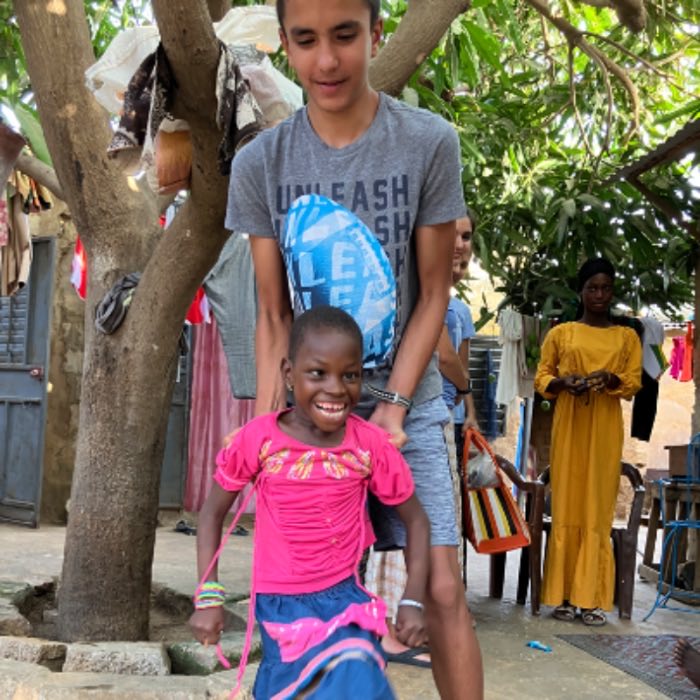
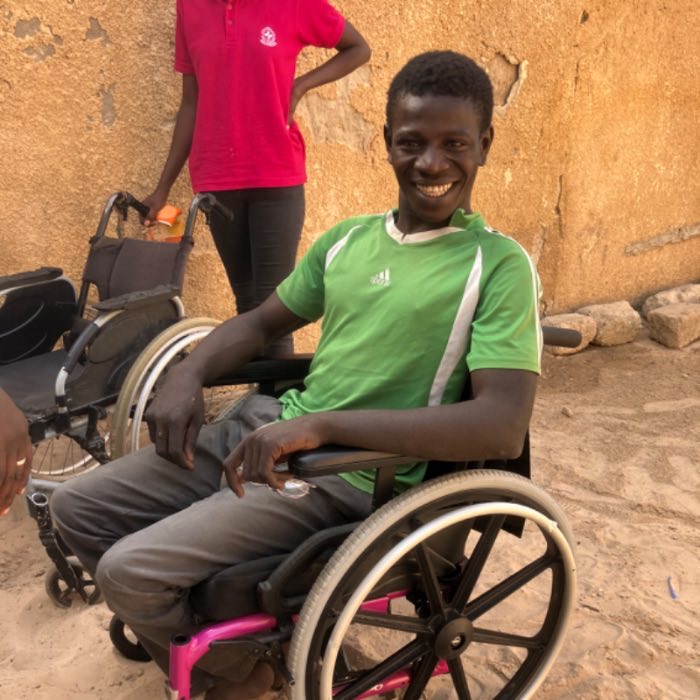
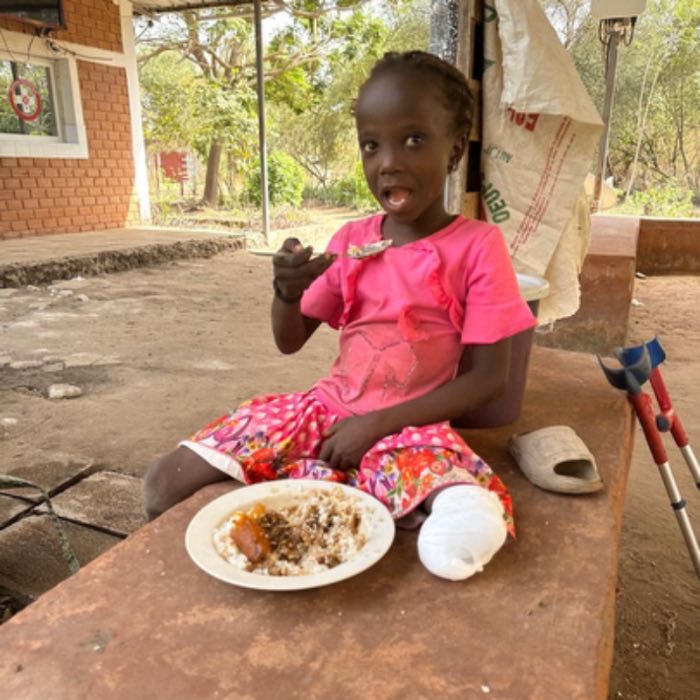
It Takes All of Us
But these patients' stories are so much bigger than just what God did through me or the people at Beersheba.
It's a story of a community of believers across TWO continents saying YES to God.
It takes all of us doing our part.
But we have to be willing to:
So if God is inviting you to take the next step, I understand the fear or hesitation, but don't be afraid to say YES.
You never know how God might use your simple obedience to change someone else's life—or your own.
Out of respect for our patients and their privacy, we don't share their stories publicly online. We share them with our partners through the Brane Family Snippets, our bimonthly update.
Humanitarian
Coming soon . . .
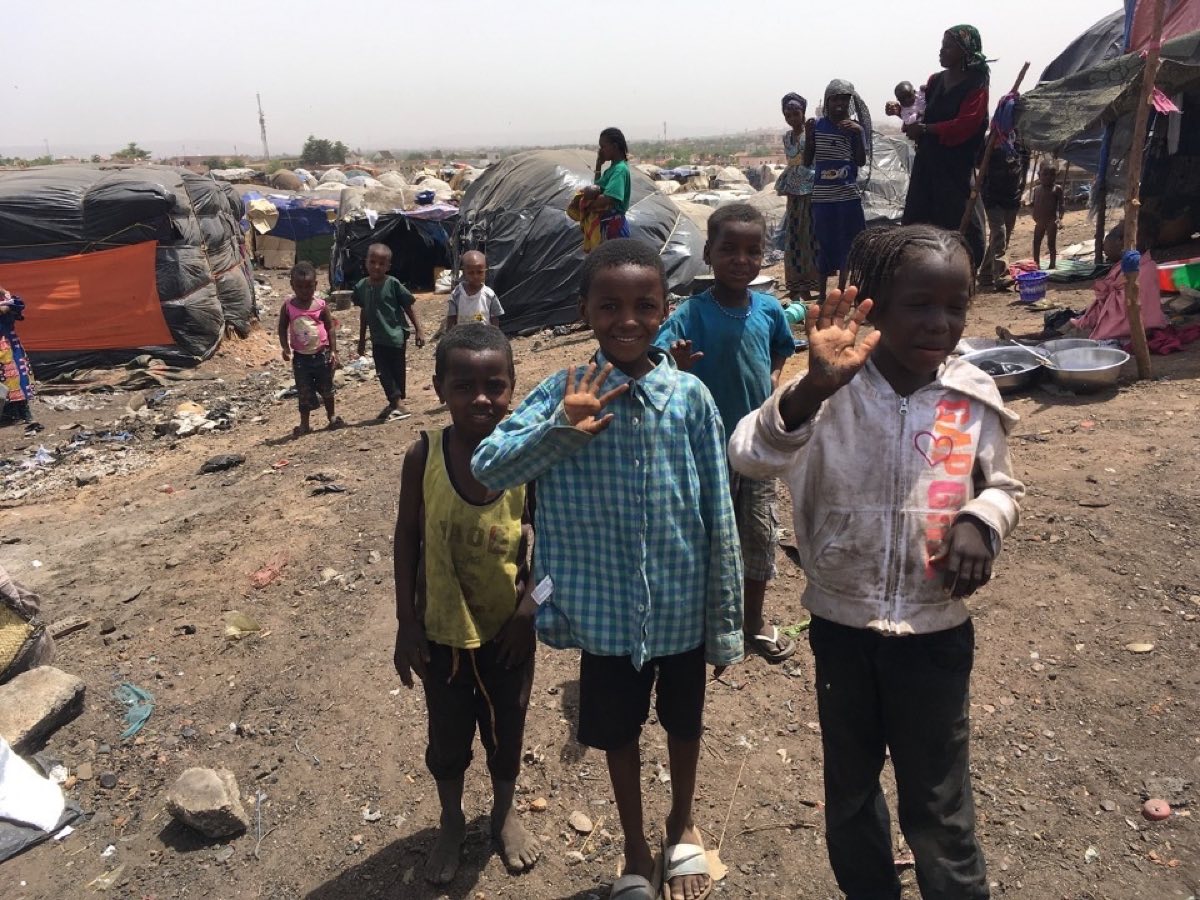
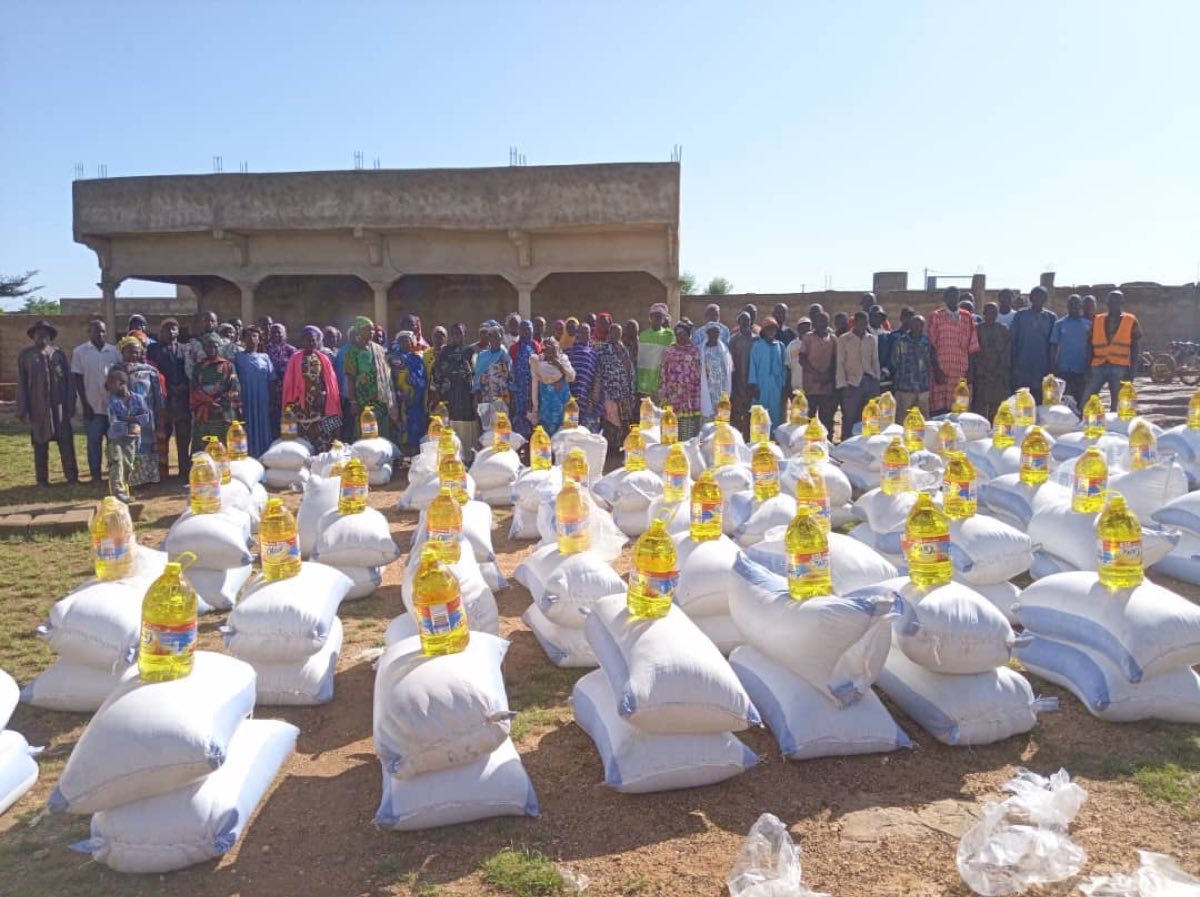
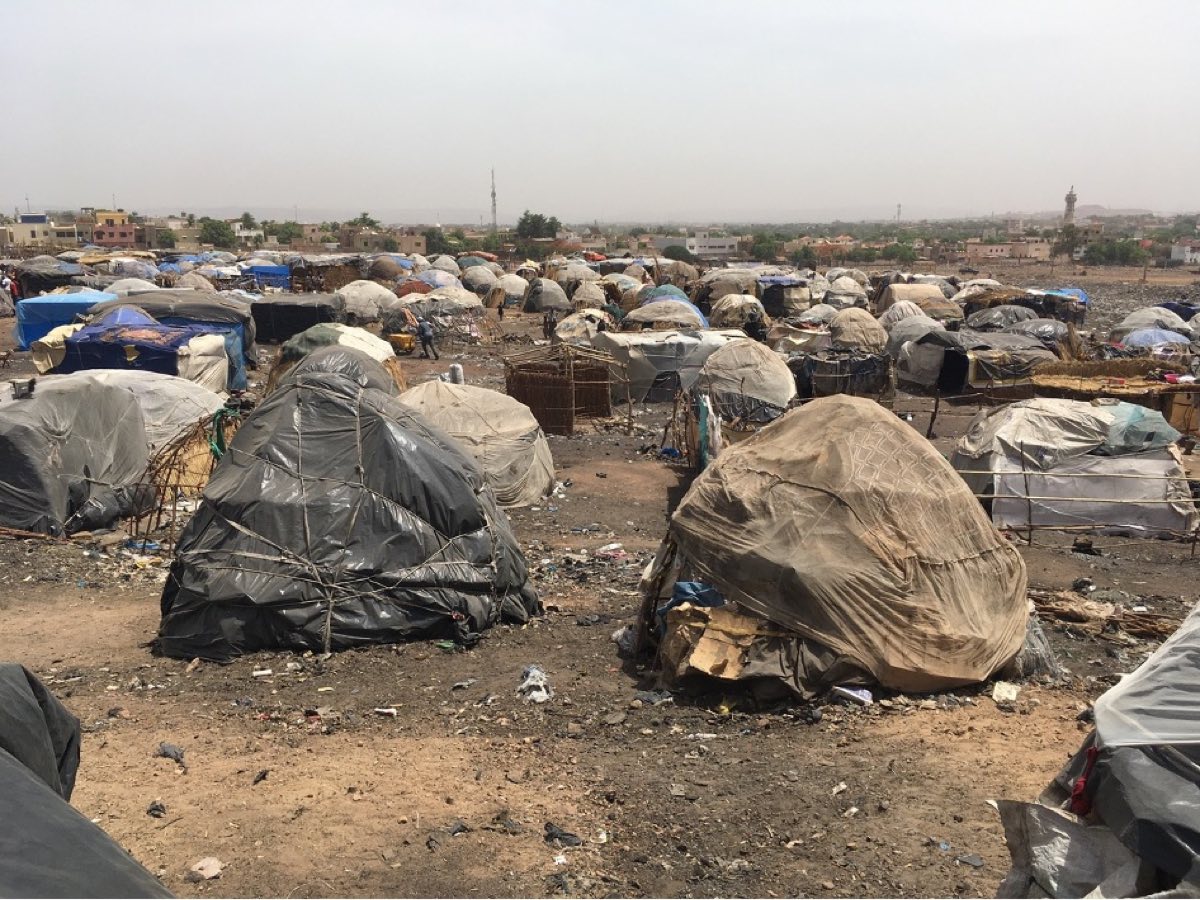
To protect and respect the privacy of the people we serve, we keep our online presence limited. To hear stories of how God is transforming lives, sign up for our Brane Family Snippets →